By Nicola Spurling and Susann Wagenknecht (Sociology, Dresden TU)








seeing the invisible: human foils in the urban environment
In 2019 Susann Wagenknecht (Dresden Technical University) and I collaborated on the design and facilitation of a walking workshop at Thinking on the Move: the possibilities and risks of walking sociologically, Goldsmiths University, London.
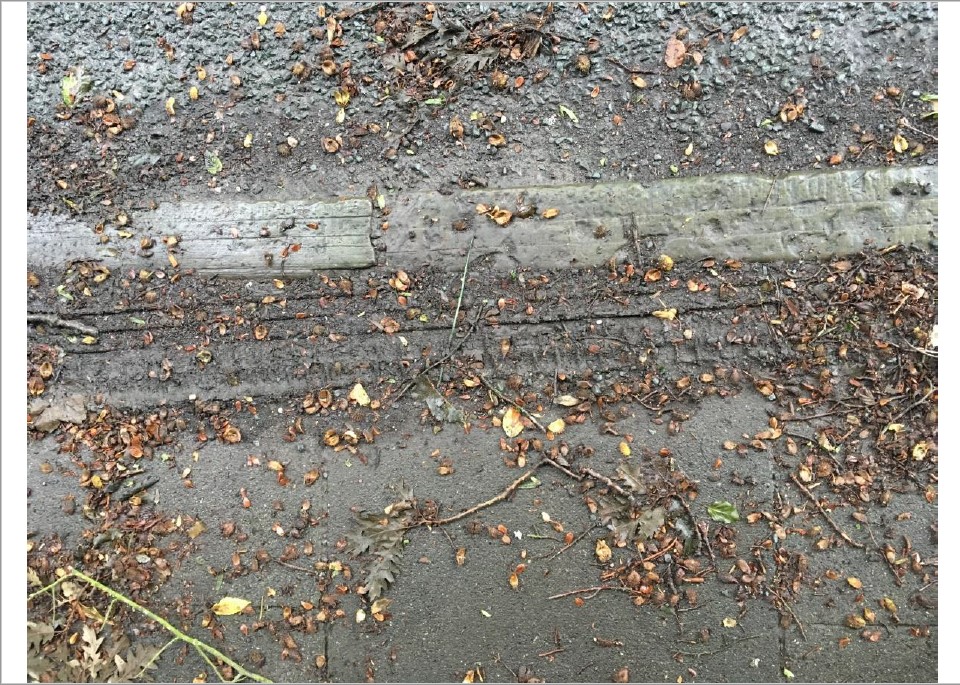
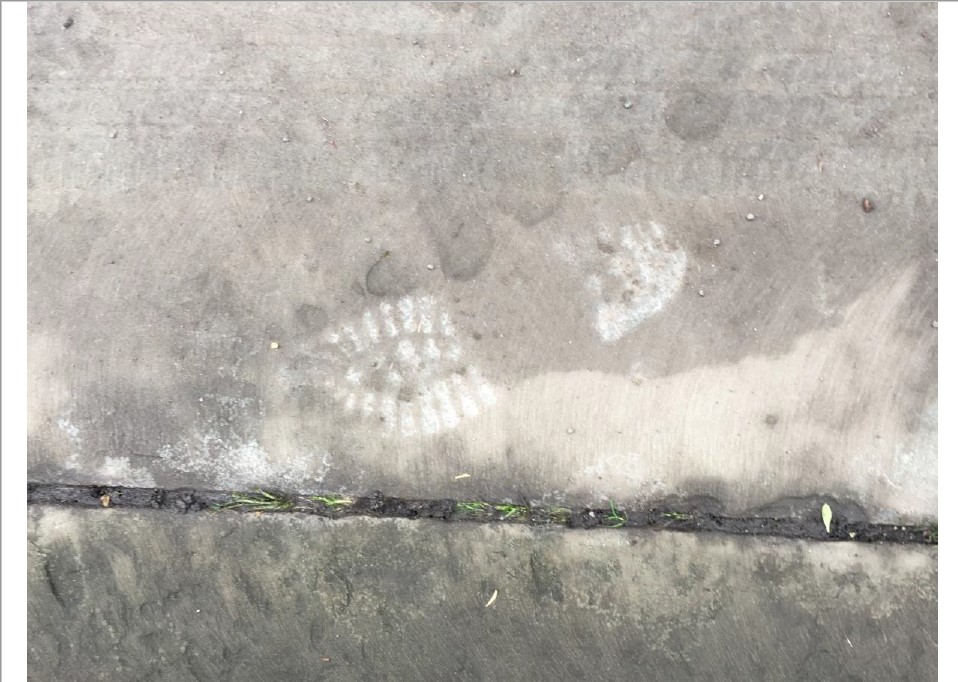
“Humans are animals, and like all animals we leave tracks as we walk: signs of passage made in snow, sand, mud, grass, dew, earth or moss. The language of hunting has a luminous word for such marking: ‘foil’. A creature’s ‘foil’ is its track. We easily forget that we are track-makers, though, because most of our journeys now occur on asphalt and concrete – and these substances are not easily impressed.” (MacFarlane, in The Old Ways, 2012:13
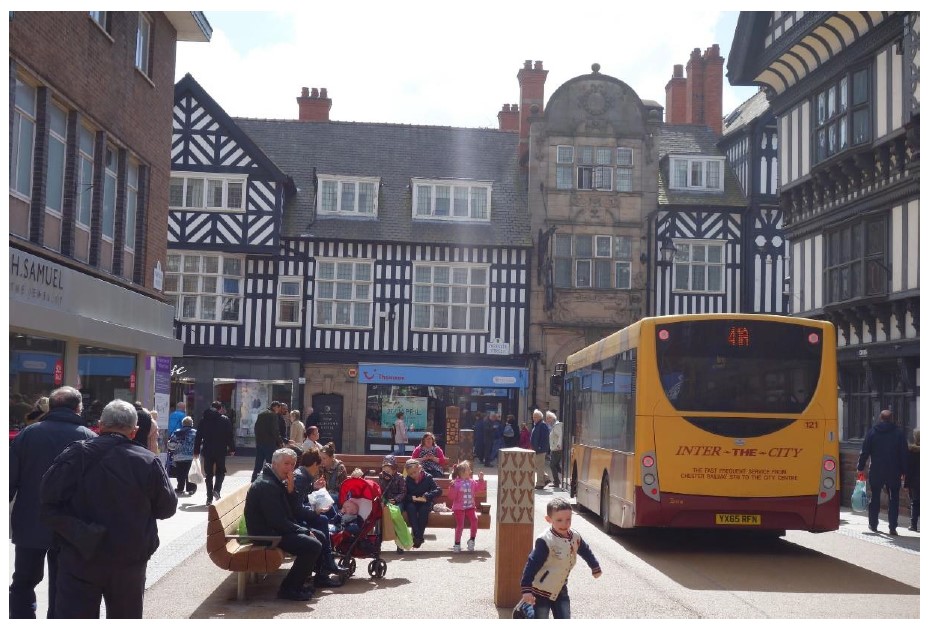
Located at the intersection of mobilities and inequalities, this walking workshop focussed on human paths in the urban environment. The lines (Ingold, 2007, 2015) that could be seen and not seen, traced and not traced, and their implications.
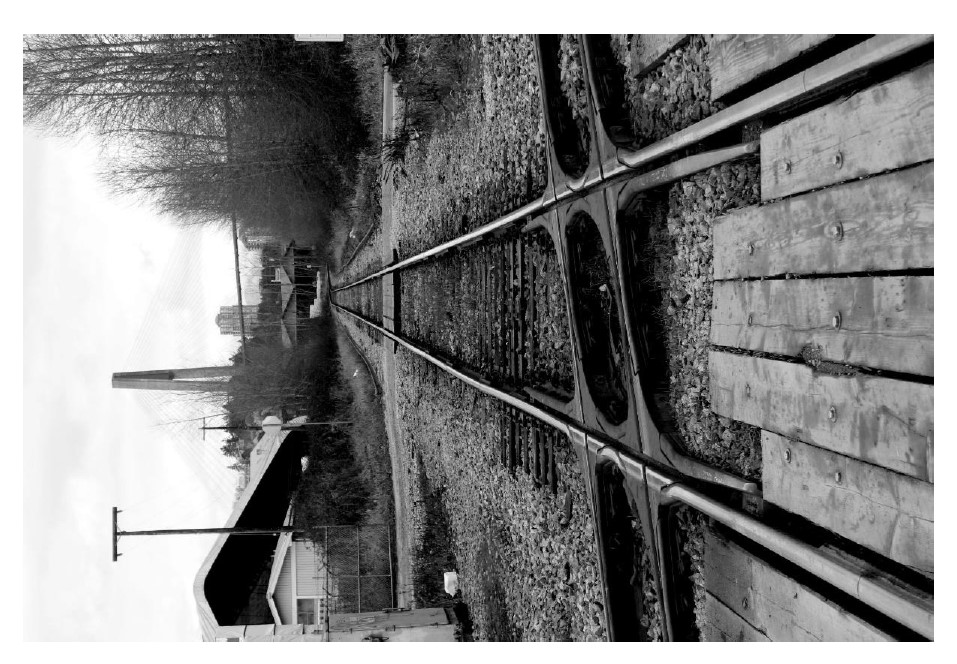
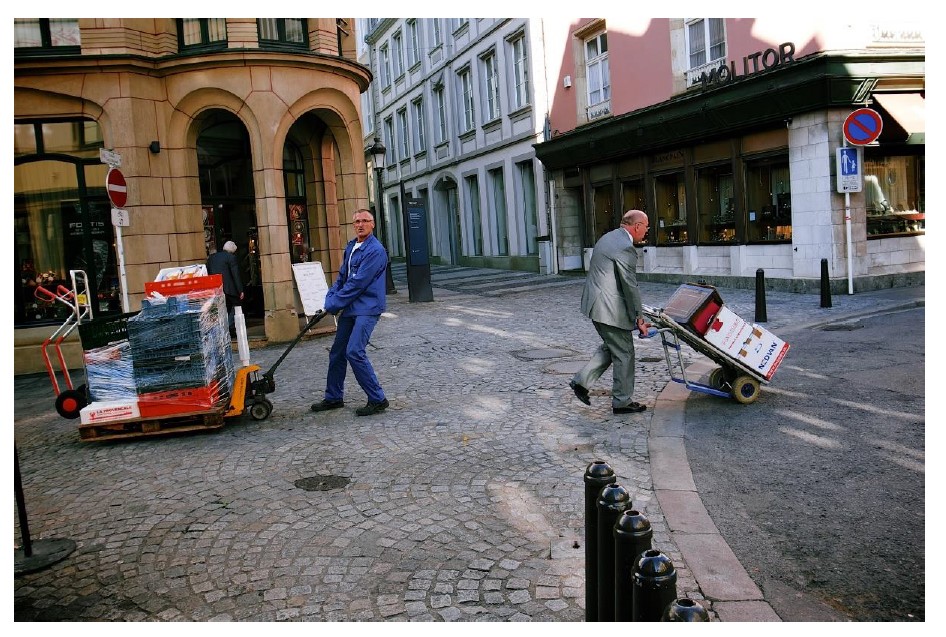
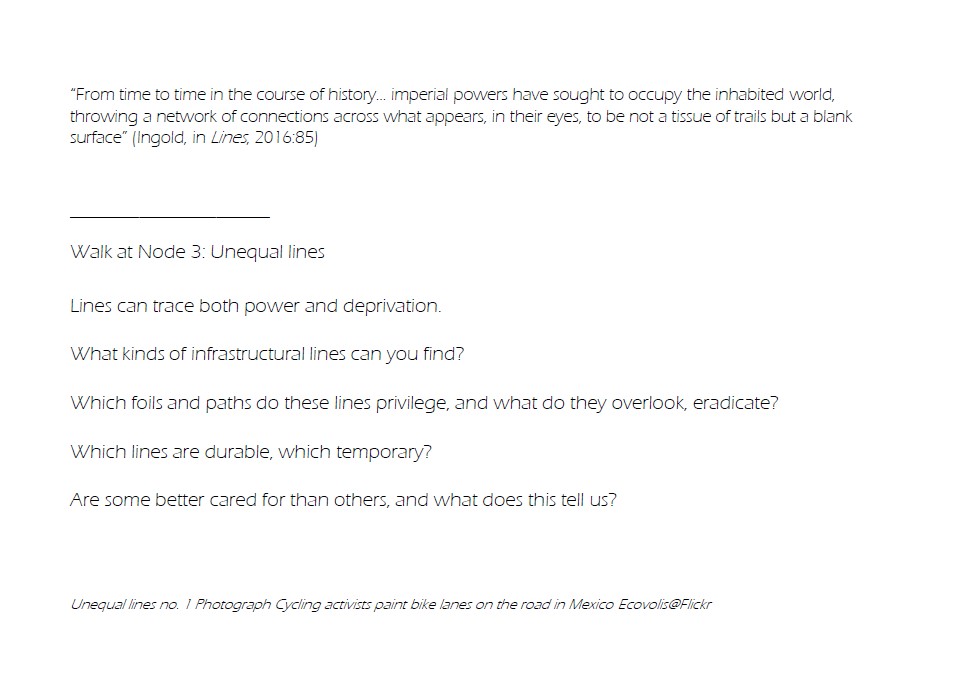
Each participant was given a set of postcards (shown in the gallery), specially made for the event, which inspired discussion along the way.

 Nicola Spurling